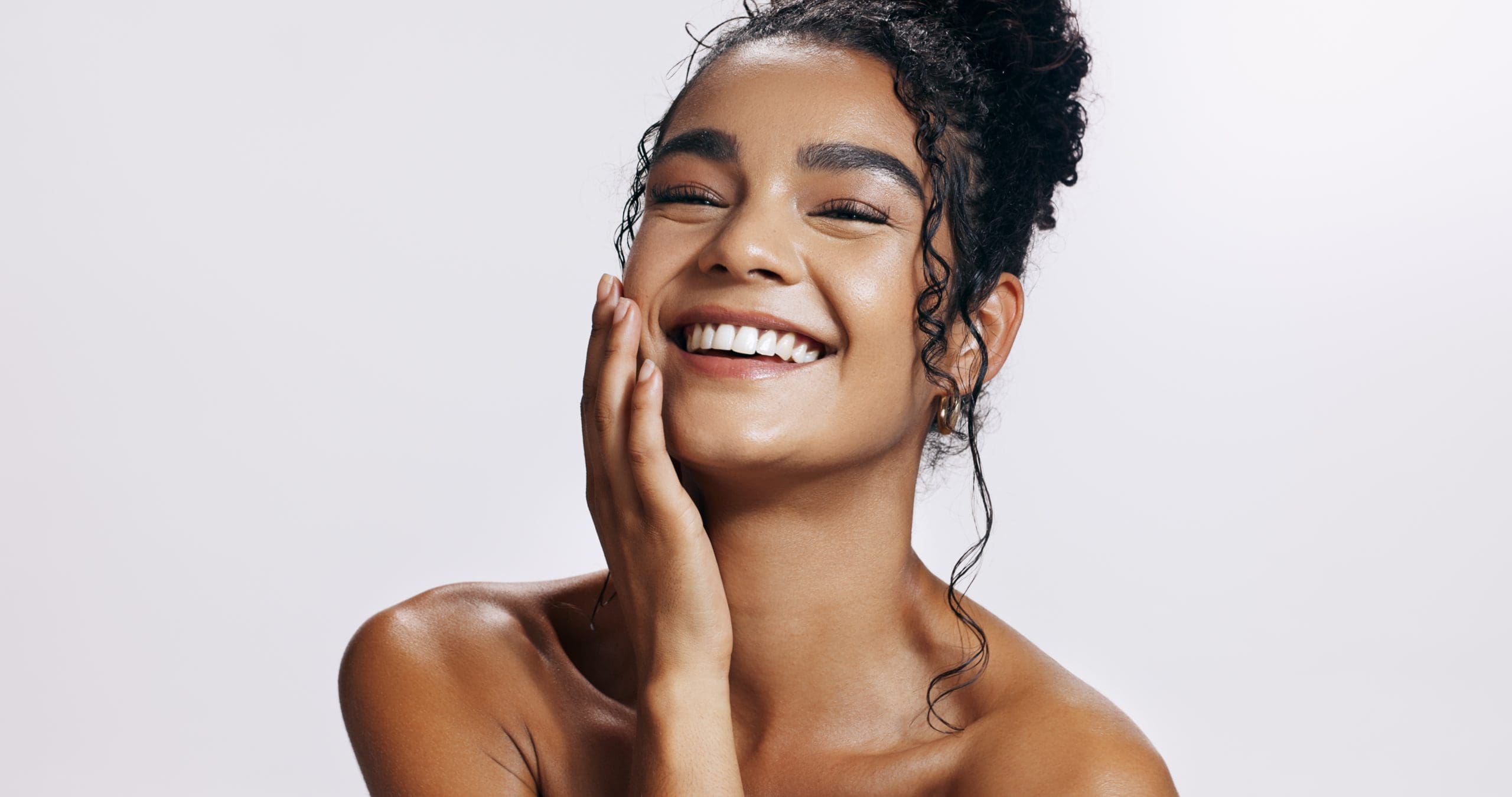
If you’ve found yourself frustrated by stubborn dark patches on your face or body that just won’t fade, no matter how many creams or peels you’ve tried, you’re likely dealing with either melasma or hyperpigmentation. The tricky part? These conditions can look remarkably similar on the surface, yet they require different treatment strategies to get real, lasting results. Choosing the wrong treatment can actually make things worse, especially in sensitive cases like melasma. That’s why understanding the difference between melasma vs hyperpigmentation is the first and most crucial step in creating an effective skincare plan.
Whether you’re noticing brown patches on your cheeks or sunspots on your forehead, we’ll help you determine what’s really going on underneath the skin. We’ll also explain how laser treatment for melasma and laser treatment for hyperpigmentation differ, and why the Alma Dye-VL technology used at Balance Aesthetics & Wellness in Brandon, FL, could be the solution to achieving clear, even-toned skin.
Introduction to Skin Discoloration in Brandon, FL
Living in Brandon, FL means enjoying plenty of sunshine year-round, but all that sun exposure can come at a cost to your skin. Many locals struggle with persistent skin discoloration, whether it’s dark spots, uneven patches, or blotchy pigmentation that worsens despite using sunscreen and skincare products. These concerns are often more than cosmetic; they can impact your confidence, self-esteem, and even how others perceive you. Conditions like melasma and hyperpigmentation are especially common in sun-drenched climates, but treating them effectively requires understanding precisely what’s behind the discoloration. Knowing whether you’re dealing with melasma or general hyperpigmentation is crucial to finding a safe, lasting solution, and that’s where expert care and advanced technology come into play.
Overview of Melasma
Melasma is a chronic skin condition characterized by symmetrical, blotchy patches of brown or grayish pigmentation, most commonly found on the cheeks, forehead, upper lip, and chin. It’s often referred to as the “mask of pregnancy” because it frequently develops in women due to hormonal changes from pregnancy, birth control, or hormone therapy. Unlike other types of discoloration, melasma tends to affect the deeper layers of the skin and is easily triggered by sunlight, heat, and even visible light from screens. What makes melasma particularly stubborn is its tendency to recur, even after treatment, especially if sun protection isn’t consistent. Because of its complexity, laser treatment for melasma must be gentle, precise, and closely monitored to safely reduce pigmentation without triggering inflammation or rebound darkening.
Overview of Hyperpigmentation
Hyperpigmentation is a broad term that refers to any darkening of the skin caused by an overproduction of melanin, the pigment that gives skin its color. It can appear as sunspots, age spots, acne scars, or post-inflammatory marks left by injuries or skin conditions like eczema. Unlike melasma, hyperpigmentation is usually localized and triggered by external factors, such as UV exposure, trauma to the skin, or inflammation. This condition affects people of all skin tones and ages, and while it’s not harmful, it can be cosmetically distressing. The good news is that hyperpigmentation often responds well to a range of treatments, including laser treatment for hyperpigmentation, especially when combined with topical brighteners, consistent sun protection, and a customized skincare regimen.
Importance of Differentiating Conditions
Understanding the difference between melasma vs hyperpigmentation is essential because treating them the same way can lead to ineffective results or even make the discoloration worse. Melasma is more sensitive and reactive than most types of hyperpigmentation, and aggressive treatments that work for sunspots or acne scars can actually trigger flare-ups or deepen pigmentation in melasma-prone skin. Conversely, if hyperpigmentation is mistaken for melasma, you might miss out on faster, more effective options like stronger laser treatments or chemical peels. Accurate diagnosis allows for a tailored approach, minimizing risks and maximizing results. Whether you’re looking to improve tone, texture, or overall skin clarity, identifying the correct condition is the first and most critical step toward achieving a smoother, more even complexion.
Causes of Melasma and Hyperpigmentation
Hormonal Changes
Hormonal shifts, particularly in estrogen and progesterone levels, are the most common trigger for melasma. This is why melasma frequently develops during pregnancy, when starting birth control, or in response to hormone replacement therapy. These hormonal fluctuations stimulate melanocytes, the cells responsible for melanin production, leading to uneven pigment distribution. Even thyroid dysfunction has been linked to the onset or worsening of melasma. Hyperpigmentation, on the other hand, isn’t typically caused by hormonal changes, though it can be indirectly influenced by medications, inflammation, or stress-related hormonal imbalances that lead to skin trauma.
Sun Exposure
UV radiation is a significant contributor to both melasma and hyperpigmentation. Sunlight stimulates melanocytes to produce more melanin, which can intensify existing melasma patches or trigger new ones. Hyperpigmentation caused by acne, cuts, or rashes (known as post-inflammatory hyperpigmentation) also worsens with exposure to the sun. Without proper protection, discoloration becomes more pronounced and more challenging to treat. That’s why consistent, broad-spectrum SPF use is non-negotiable, not just during treatment, but as a long-term preventive strategy.
Genetic Factors
Your genetic makeup plays a significant role in whether you’re likely to develop melasma or hyperpigmentation. If close family members struggle with dark patches or uneven skin tone, you may be more predisposed to these issues. These conditions are particularly common among individuals with medium to darker skin tones, especially those who fall into Fitzpatrick skin types III to VI, which have more active melanocytes. Understanding your genetic risk can help guide more effective and cautious treatment strategies, especially when selecting laser treatments or topical agents.
Skin Discoloration Treatment Approaches
There’s no one-size-fits-all solution when it comes to skin discoloration. Effective treatment depends on understanding where the pigment sits in the skin, the cause of the discoloration, and how your skin type responds to different therapies. While topical creams and sunscreen are helpful for both conditions, more severe cases often require advanced laser therapy, which should be used with caution.
Differences in Laser Treatment for Melasma vs Hyperpigmentation
Not all lasers are created equal, and some can exacerbate pigmentation if not matched to the proper skin condition. For individuals dealing with dark spots caused by sun damage or acne, laser treatment for hyperpigmentation using technologies such as fractional resurfacing or IPL (Intense Pulsed Light) can be effective in lifting pigment from the skin’s surface. Laser treatment for melasma, however, must be far gentler and more controlled. Because the pigment lies deeper in the skin and is highly reactive, using the wrong laser can trigger rebound pigmentation, where the discoloration returns darker than before. That’s where targeted technologies, such as the Alma Dye-VL laser, come into play. It uses narrow-band light to safely break up pigmentation without heating or damaging the surrounding tissue, making it one of the few devices that show results in both melasma and hyperpigmentation cases when applied by experienced professionals.
Alma Dye-VL Technology
The Alma Dye-VL is an advanced laser-based technology specifically designed to treat vascular and pigmented skin lesions with precision and minimal downtime. Using a combination of narrow-band light and selective filtering, this device targets excess melanin and hemoglobin in the skin, effectively breaking down discoloration without harming the surrounding tissue. Unlike more aggressive lasers that can aggravate melasma or cause post-inflammatory hyperpigmentation, Alma Dye-VL is gentle enough for sensitive skin yet powerful enough to treat sunspots, rosacea, melasma, and other forms of hyperpigmentation. It’s also safe for a broader range of skin tones, making it an inclusive solution for patients of diverse backgrounds. At Balance Aesthetics & Wellness in Brandon, FL, the Alma Dye-VL is utilized as part of a personalized treatment plan to help restore clearer, more evenly toned skin safely and effectively.
Importance of Professional Guidance
Before undergoing any laser treatment, it’s crucial to receive an accurate diagnosis from a licensed healthcare provider. Misidentifying melasma as regular hyperpigmentation can lead to aggressive treatments that worsen your skin. At Balance Aesthetics & Wellness, each client begins with a comprehensive skin assessment. We will evaluate your skin type, history, lifestyle, and the underlying cause of your pigmentation before recommending a personalized plan, which may include the Alma Dye-VL laser, topical treatments, or other supporting therapies. Trying to self-diagnose or purchase over-the-counter “brightening” products without guidance often leads to wasted time, money, and further skin damage. Working with a professional ensures you get real results safely and efficiently.
Why Choose Balance Aesthetics & Wellness for Alma Dye-VL Laser Treatment in Brandon, FL
At Balance Aesthetics & Wellness, your skin is more than just an appearance; it’s part of your overall health and confidence. Our highly trained team of aesthetic specialists offers advanced treatment options, with a strong focus on safety, customization, and results. Led by a passionate group of healthcare professionals, the team at Balance prioritizes education and empowerment. We take the time to explain each treatment and tailor solutions specifically to your skin’s needs. Our expertise in pigmentation disorders, particularly in utilizing Alma Dye-VL technology, distinguishes us from typical med spas or cosmetic clinics.
Located right in the heart of Brandon, FL, our facility is equipped with state-of-the-art devices and a warm, welcoming environment that makes you feel genuinely cared for.
Book an Appointment Today!
Ready to finally get clarity on whether you’re dealing with melasma or hyperpigmentation and start treating it the right way? Schedule your professional consultation today at Balance Aesthetics & Wellness. Visit us at 1138 Nikki View Drive, Brandon, FL 33511, or call 813-444-7735 to book your personalized assessment. Our expert team will help you explore safe and effective solutions, including laser treatments for hyperpigmentation and melasma, as well as the advanced Alma Dye-VL system. Take the first step toward clearer, more confident skin, because you deserve to love your reflection.